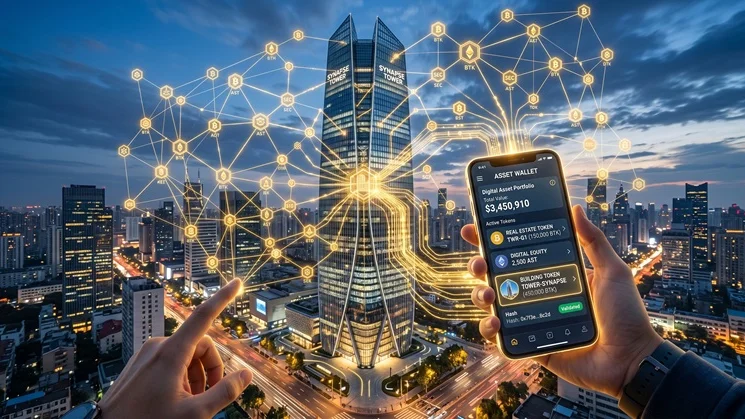
For decades, real estate has been considered one of the most reliable wealth-building engines in the world. It offers tangible asset security, potential capital appreciation, and steady rental yields. However, traditional property investment comes with massive roadblocks: astronomical down payments, complex legal paperwork, geographic limitations, and highly illiquid markets. For the average investor, purchasing a prime commercial building or even a modest rental home has felt increasingly out of reach.
Enter 2026, and the financial landscape is undergoing a massive shift. Blockchain technology has matured beyond speculative cryptocurrencies, paving the way for real-world asset (RWA) tokenization. Real estate tokenization is dismantling these historical barriers, transforming property investment from an exclusive playground for high-net-worth individuals into a democratic, liquid, and globally accessible market. This comprehensive guide explores how tokenized real estate works, the technology driving it, its benefits and risks, and how you can start building a digital property portfolio today.
Understanding the Mechanics of Property Tokenization
At its core, tokenization is the process of converting the ownership rights of a physical real estate asset into digital tokens on a blockchain network. Each token represents a fractional share of the underlying property, including its equity value and the rights to a portion of the rental income it generates.
To make this legally compliant, properties are not tokenized directly. Instead, a legal entity—usually a Special Purpose Vehicle (SPV) or a Limited Liability Company (LLC)—is established to own the deed of the physical property. This company is then divided into digital shares, which are issued as Security Tokens on a compliant blockchain (typically Ethereum, Polygon, or specialized enterprise chains). When you purchase a token, you are buying a legal share in the company that owns the real estate.
This entire ecosystem is powered by smart contracts. These are self-executing lines of code hardcoded onto the blockchain. They automatically handle administrative tasks that traditionally required brokers, escrow agents, and accountants. For instance, when tenants pay rent, the smart contract automatically distributes the corresponding rental yields to the token holders’ digital wallets in real-time, proportional to the number of tokens they own.
Why 2026 is the Tipping Point for Real-World Assets
While the concept of tokenization has been discussed for years, 2026 represents the tipping point where technology, regulation, and investor demand have finally aligned. Several factors explain why this asset class is suddenly exploding:
- Regulatory Clarity: Major global financial hubs have established clear regulatory frameworks for security tokens. The SEC in the United States, along with European and Asian regulators, has created compliant pathways for digital securities, giving institutional and retail investors the confidence to participate.
- Institutional Adoption: Global investment firms and major banks are actively tokenizing their portfolios. The transition from legacy databases to blockchain networks has proven to save billions in administrative overhead, forcing the industry to adapt.
- Interoperability: Modern blockchain networks can now seamlessly communicate. An investor can buy a tokenized property share using stablecoins, store it in a hardware wallet, and trade it on decentralized secondary markets without friction.
The Core Benefits of Tokenized Real Estate
Compared to traditional property purchasing, tokenization offers a revolutionary list of advantages that fundamentally change how we think about investing in physical assets.
1. Low Barriers to Entry
Traditionally, buying investment property required tens of thousands of dollars for a down payment, plus closing costs. With tokenization, properties can be split into millions of fractions. This allows platforms to set minimum investment limits as low as $50. An investor can start small, test the waters, and scale their portfolio at their own pace.
2. Instant Liquidity in an Illiquid Market
Selling a physical house typically takes months. It involves listing agents, inspections, buyer mortgage approvals, and lengthy escrow periods. Security tokens, however, can be traded on regulated secondary digital marketplaces. If you need cash, you can sell your fractional property shares in minutes, similar to selling stocks on an exchange.
3. Global Diversification
Traditional real estate makes it difficult to diversify geographically because managing properties across different cities or countries is logistically exhausting. Tokenization removes borders. From the comfort of your home, you can invest $100 in a residential complex in Austin, $100 in a warehouse in Rotterdam, and $100 in a retail space in Tokyo, spreading your risk across different economies and currencies.
4. Micro-Distribution of Rental Income
Waiting for monthly rent checks, managing property managers, and dealing with late payments are major headaches for landlords. Tokenized platforms automate this entirely. Smart contracts collect the rent and distribute it to token holders. Because transaction costs on modern blockchains are near zero, many platforms distribute rental yields on a weekly or even daily basis directly to your digital wallet.
5. Reduced Middlemen and Overhead Costs
Traditional real estate transactions are laden with fees for brokers, lawyers, title companies, and administrative staff. Blockchain eliminates the need for these intermediaries by serving as a single, immutable ledger of truth. This reduction in transaction fees means a higher percentage of the rental income and capital appreciation goes directly into the investor's pocket.
A Step-by-Step Guide to Your First Digital Property Investment
If you are ready to venture into tokenized real estate, the process is straightforward but requires diligent research. Here is the typical workflow for a modern investor:
Step 1: Choose a Compliant Tokenization Platform
Look for platforms that are fully registered with local financial regulatory bodies. The platform should clearly display its licensing, the legal structure of its property offerings (such as LLC or SPV arrangements), and its track record. Popular platforms verify their users' identities, so be prepared for a standard onboarding process.
Step 2: Complete KYC/AML Verification
Because security tokens are regulated financial instruments, you must complete Know Your Customer (KYC) and Anti-Money Laundering (AML) checks. You will need to upload a government-issued ID and verify your residency before you can buy any assets.
Step 3: Analyze the Property Offerings
Do not buy blindly. Treat a digital token with the same scrutiny you would a physical building. Review the platform's offering documents, which should include:
- The physical property address and independent appraisal reports.
- Historical and projected rental yields (CoC return).
- The local vacancy rates and economic outlook of the neighborhood.
- The property management company responsible for physical upkeep.
Step 4: Purchase Your Tokens
Once you select a property, you can purchase the tokens. Depending on the platform, you can fund your account using a standard bank transfer, credit card, or digital stablecoins (like USDC or USDT). The tokens will be minted and sent directly to your verified Web3 wallet.
Step 5: Monitor and Collect Passive Yields
After the purchase is complete, you will begin receiving rental distributions. You can track your daily yield accumulation through the platform's dashboard or directly on the blockchain ledger. You can choose to withdraw these funds to a bank account, use them to purchase fractions of other properties, or hold them to compound your returns.
Comparing the Options: Tokenization vs. Traditional REITs
A common question is how tokenized real estate compares to Real Estate Investment Trusts (REITs), which also allow fractional real estate investing. While both offer exposure to property markets, their structures and benefits differ significantly:
| Feature | Tokenized Real Estate | Traditional REITs |
|---|---|---|
| Asset Control | Direct ownership of specific properties of your choice. | Indirect ownership of a massive, pre-selected basket of properties. |
| Liquidity | High (traded 24/7 on digital secondary markets). | High (traded during stock market hours). |
| Transparency | Real-time tracking of lease agreements and payouts on the blockchain. | Quarterly or annual financial reports. |
| Payout Frequency | Weekly, daily, or real-time distribution via smart contracts. | Quarterly or annual dividends. |
| Minimum Investment | Very low (typically $50 - $100). | Varies (can be low, but premium REITs require broker accounts). |
Navigating the Risks and Challenges of the Digital Space
While the benefits of tokenization are vast, smart wealth-building requires a balanced understanding of the risks involved. The intersection of real estate and technology introduces unique challenges that you must prepare for:
Platform and Smart Contract Risk
If a tokenization platform goes bankrupt, the physical property still exists, and your legal rights as a shareholder in the LLC are protected by law. However, accessing your digital portal or trading tokens could become temporarily difficult. Furthermore, if the platform’s smart contracts have coding flaws, they could be vulnerable to hacks. Always choose platforms whose smart contracts have been thoroughly audited by reputable third-party security firms.
Regulatory Uncertainty
Although regulations have improved significantly by 2026, the global legal framework is still evolving. Changes in how security tokens are taxed, classified, or traded across borders could affect the value or liquidity of your investments. Staying informed about local tax laws regarding digital assets is vital.
The Realities of Physical Real Estate
Remember that digital tokens are ultimately tied to physical bricks and mortar. If a tenant damages the property, if a natural disaster occurs, or if the neighborhood suffers an economic decline, the value of your tokens and rental yields will drop. The digital wrapper does not shield the investment from typical real estate market cycles, maintenance costs, and vacancy risks.
Conclusion: The Future of Global Wealth Building
Real estate tokenization is not a temporary trend; it is the natural evolution of asset ownership. By combining the stability of property investing with the speed, liquidity, and accessibility of blockchain technology, tokenization has opened the doors of financial freedom to millions of everyday investors.
As you begin your journey, remember to prioritize security. Diversify your investments across multiple properties, verify the regulatory status of the platforms you use, and never invest money you cannot afford to lose. The future of wealth building is digital, fractional, and borderless—and it is waiting for you to take the first step.
☕ Support Our Work
If you found this financial analysis valuable, you can support our independent research by sending a tip in USDT (TRC-20) to our secure cold storage address.