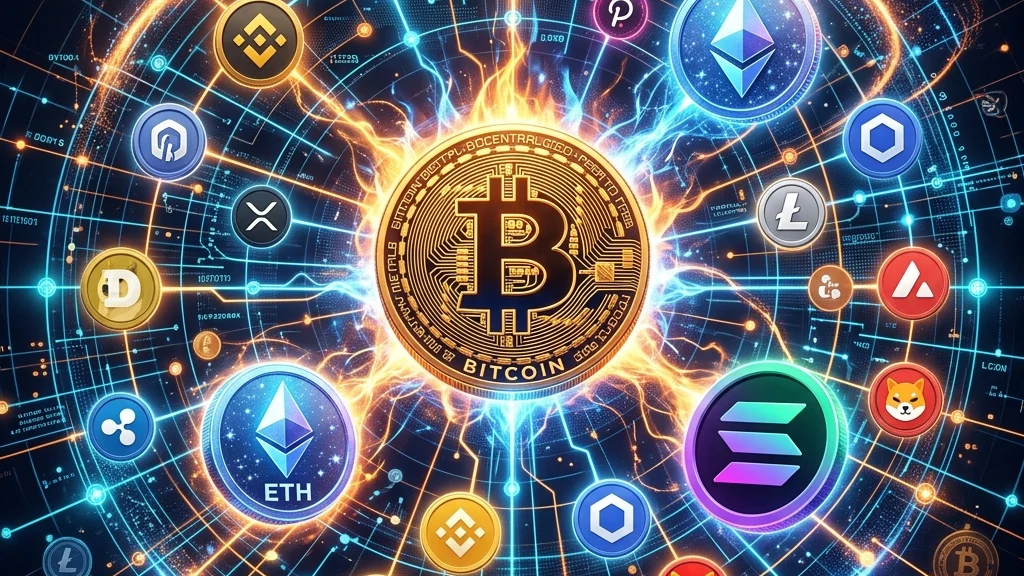
For most retail investors entering the digital asset space, Bitcoin is the default gateway. It is the oldest, most secure, and most widely recognized cryptocurrency, functioning as digital gold. However, relying solely on Bitcoin exposes your portfolio to a single network and limits your upside potential. As the blockchain ecosystem expands, diversifying into alternative digital assets is crucial for capturing the innovation happening in decentralized finance (DeFi), smart contract platforms, and real-world asset tokenization.
The Diversification Matrix: Beyond Digital Gold
A well-diversified cryptocurrency portfolio should distribute capital across several distinct sub-sectors within the Web3 ecosystem:
1. Smart Contract Platforms (Layer 1s)
Smart contract platforms are the operating systems of the decentralized web. Smart contract giants provide high-throughput and low-cost transactions, making them ideal for retail applications, gaming, and micro-payments.
2. Decentralized Finance (DeFi) & Yield Protocols
DeFi tokens represent protocols that replace traditional financial intermediaries with smart contracts. Holding tokens in established lending platforms or decentralized exchanges allows you to participate in protocol governance and earn yields through staking and liquidity provision.
3. Real-World Assets (RWAs) and Stablecoins
One of the most significant trends in blockchain is the tokenization of physical assets. Diversifying into RWA protocols allows you to gain exposure to tokenized real estate, treasury bills, and commodities, which bring low-volatility yields from traditional finance directly onto the blockchain.
Crypto Asset Allocation Framework
| Asset Category | Representative Assets | Target Allocation | Primary Function |
|---|---|---|---|
| Store of Value | Bitcoin (BTC) | 50% - 60% | Portfolio anchor, inflation hedge, and liquidity. |
| Smart Contracts | Ethereum (ETH), Solana (SOL) | 20% - 30% | Exposure to network usage fees and decentralized apps. |
| DeFi & Oracles | Aave (AAVE), Chainlink (LINK) | 5% - 10% | Capturing value from middleware and financial protocols. |
| Tokenized Assets | Stablecoins (USDC), Tokenized Treasuries | 5% - 10% | Volatility dampener and yield generation during bear markets. |
Managing Protocol and Smart Contract Risk
While diversification offers higher growth potential, it also introduces protocol risks. Unlike Bitcoin, which has a simple codebase, smart contracts are susceptible to code exploits and governance attacks. To protect your digital wealth: never allocate more than 5% of your portfolio to a single experimental DeFi protocol, utilize hardware wallets for self-custody, and regularly audit your smart contract approvals.
Conclusion
Diversifying beyond Bitcoin allows you to transition from a passive speculator to an active participant in the decentralized economy. By structuring your portfolio across Layer 1 networks, DeFi protocols, and yield-bearing real-world assets, you balance risk and reward, positioning yourself for long-term compound growth.
☕ Support Our Work
If you found this financial analysis valuable, you can support our independent research by sending a tip in USDT (TRC-20) to our secure cold storage address.